

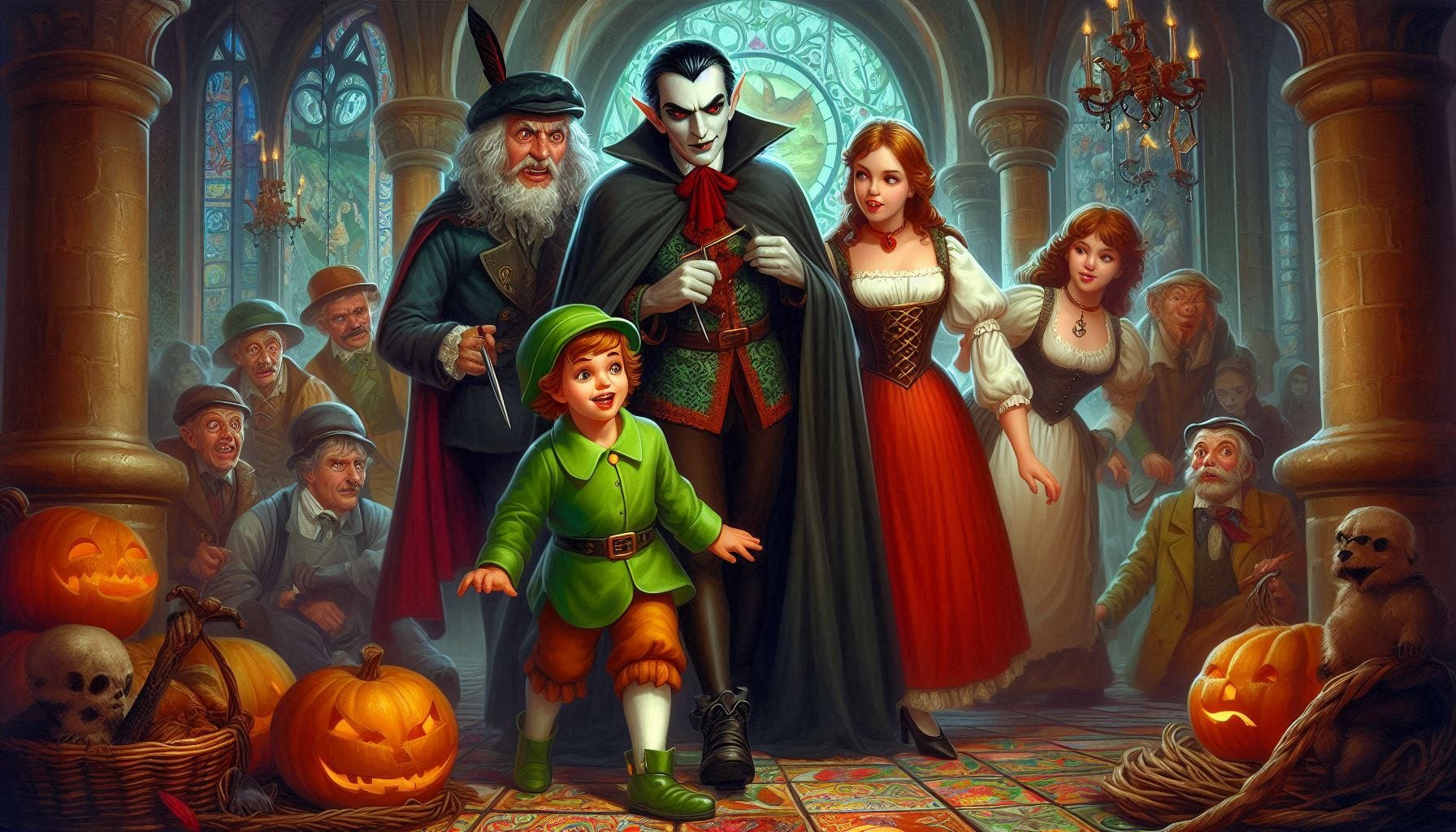
Many classic tales have been passed down from generation to generation. Some are so well known that they can be told without a book.
My favourite job of the day is reading stories that entertained me as a child to my children. Two of the books here I have told versions of during these times. When we tell these stories, are we so engrossed in the adventure that we don’t think about the origin?
We may presume that they are entirely fictitious and the work of a writer’s imagination. We would be wrong to do this with every story; many have origins in real historical events.
From children’s books to horror novels — here are three of my favourite stories and the events that inspired them.
Hansel and Gretal
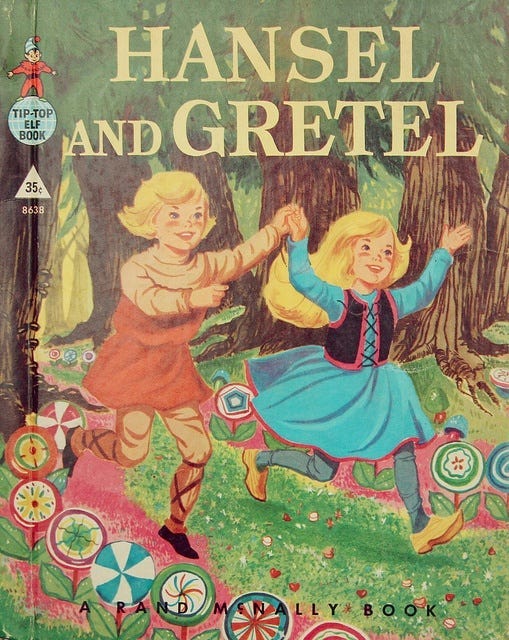
Most children and adults are familiar with the story of Hansel and Gretal. The story has scared and thrilled children for years, but few know its origins.
The first thing to remember is that Brother Grimm never intended their stories to be for children. Instead, their initial idea was to write books on German folklore. The stories were dark and filled with murder and mayhem.
The true story originates in the Baltic regions during the great famine of 1314. Due to an increase in volcanic activity in Asia and New Zealand, the climate changed, leading to worldwide crop failure and starvation.
Europe was hit particularly hard as the food supply was already scarce.
During this time, the elderly chose to starve, leaving food for the young. Many abandoned their children.
There was also clear evidence of cannibalism, including digging up the dead to eat.
Mothers were fed their children. Willian Rosen — The Third Horseman
From this grim chaos, the story of Hansel and Gretel was born.
Although horrific, it is clear how this tale led to the story's skeleton. As a writer, I am fascinated by the seeds that grow an idea.
Dracula
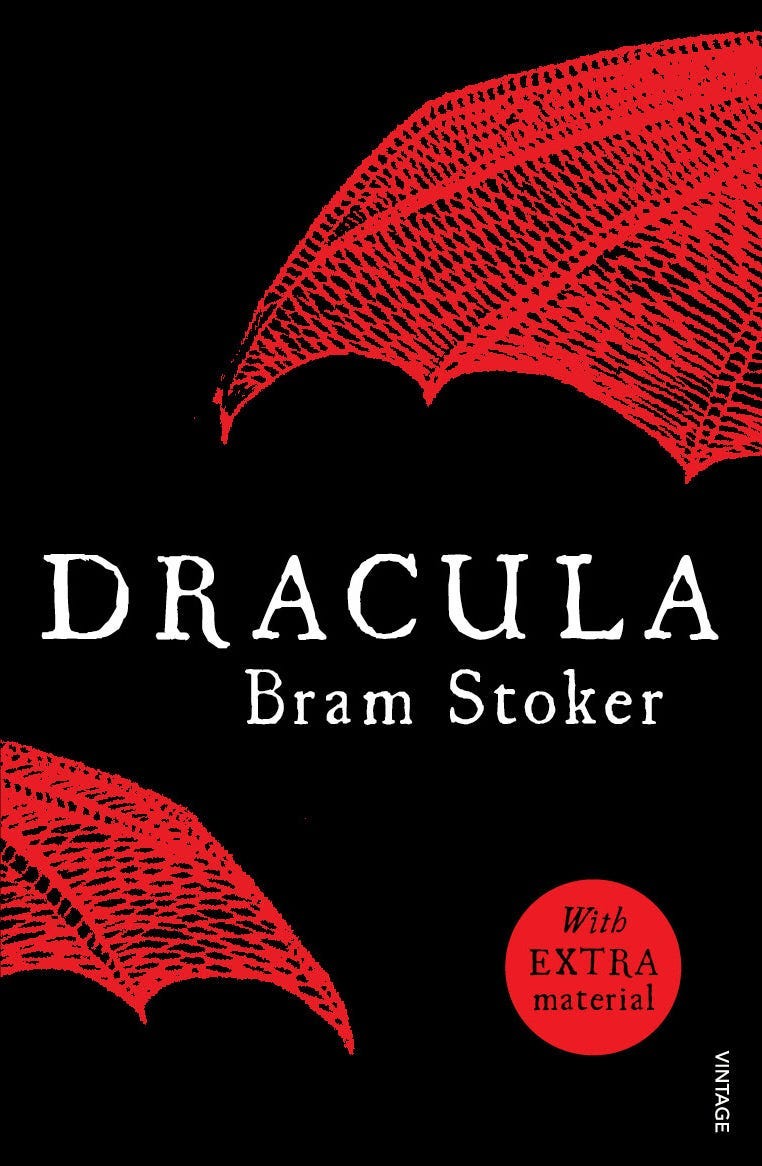
Most vampire novels have derived from the original classic, Dracula. In Bram Stoker’s book, the count is an undead menace to most. His main goal is to steal the blood and virtue of ladies.
However, it would shock some to know that Dracula isn’t solely Stoker's invention. The lead character is based on the real-life figure Vlad the Impaler. Vlad was the son of a Romanian ruler who lived during the 15th century.
Vlad fought a long war against the Ottomans. During this time, he acquired the nickname “Vlad the Impaler” from his favoured method of execution. After Vlad’s death, his blood-lust became the subject of morbid legends that Stoker heard.
There are also facts from real body decomposition. When a person dies, their skin begins to shrink away from their hair and nails, giving the appearance of having grown since the body was buried. The gums also recede away from the teeth, which explains why vampires are described as having fangs. Finally, the gas created by decomposition can make the body bloat, giving it the appearance of having been feeding.
Medieval vampire hunters found these corpses and attributed the signs of decomposition to the legend of vampires.
These facts, combined with Stoker’s brilliant storytelling, resulted in the best vampire novel ever written.
The Pied Piper
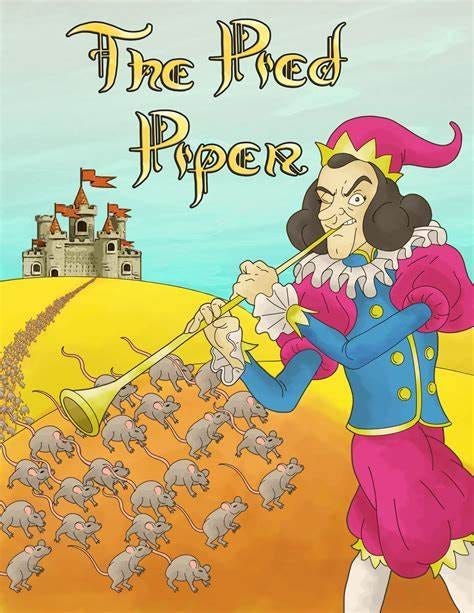
The story of the Pied Piper is set in the village of Hamelin. The villagers hire a strange man with a magic flute to rid them of the rats' infestation. The village leaders then refuse to pay him for his work. The piper returns and, using his magic flute, abducts the children. The children are led into the wilderness and never seen again.
The earliest mention of this story is from 1300. A stained glass window installed in the cathedral of Hamelin shows a man with a flute leading children from the city.
This isn’t where the story ends, though. In 1384, the town’s official records have the following line:“It is 100 years since our children left.”
Researchers have proposed many theories about this strange tale. The first is that the event is a fictional account of a tragedy that led to the majority of children in the city dying. This could have been a famine or natural disaster such as a pandemic.
The second theory is that the story refers to a 14th-century outbreak of mass hysteria. This condition caused people to dance uncontrollably. At least one group of children was known to have danced away from the city accompanied by musicians. It could be that this mania occurred in Hamelin as well.
One less horrific explanation is that the story references a mass emigration from the town.
The most disturbing, though, is that the story references the actions of a group of predators preying on children.
Whatever the truth, it is fair to say that this story, as well as the other two, has its origins in more than just a writer's imagination. Good writers use actual events to create masterpieces. These three stories have lived through generations and are as entertaining as the day they were written.
When you next pick up a classic and start reading it, take the time to think about its origins.