

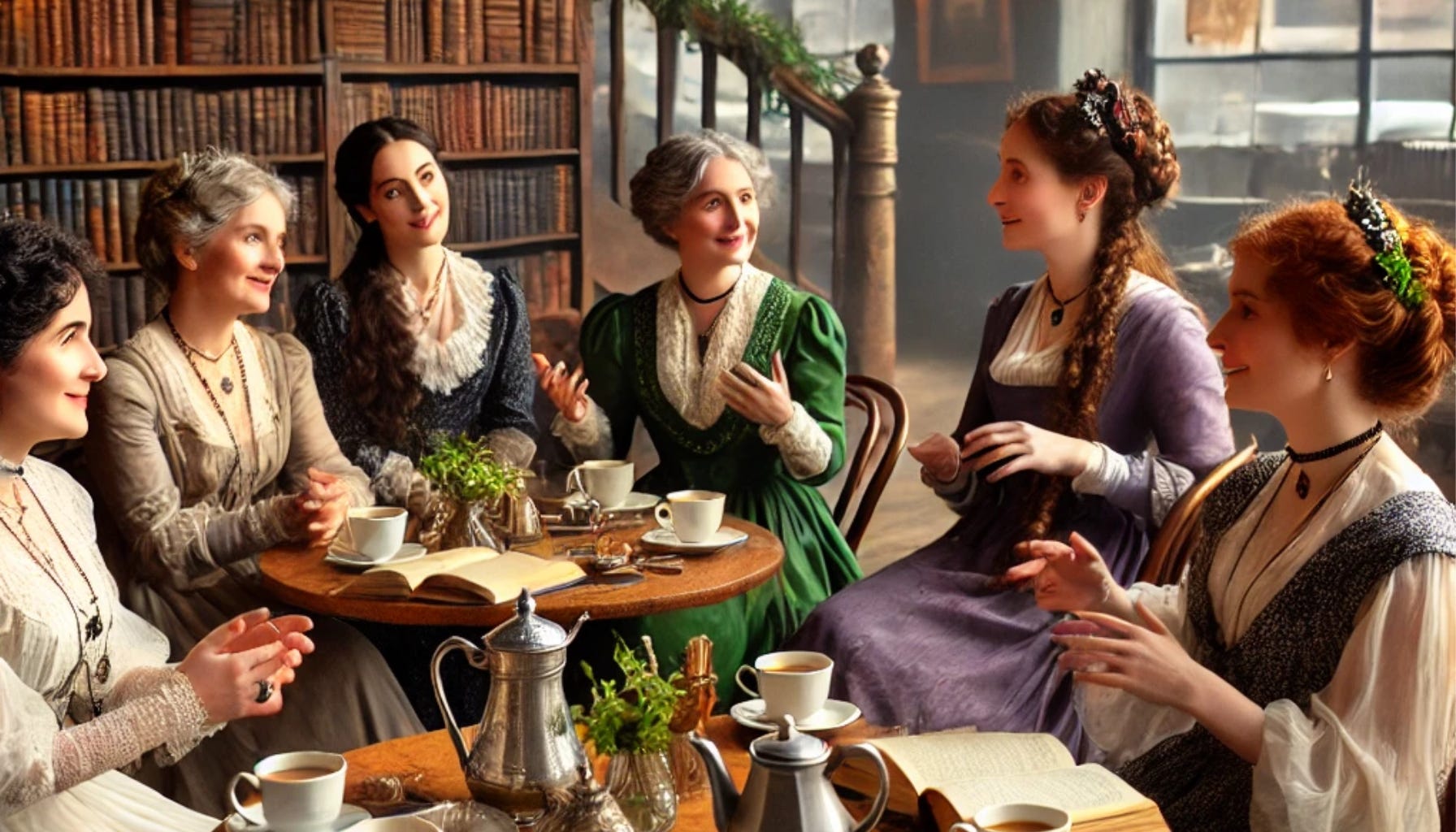
Eighty-two per cent of women have read at least one book in their lifetime. This is in contrast to 69% in men.
As a female writer, I have supported many, who have been treated badly by their male counterparts. This, however, is not a new phenomenon. It has been happening for centuries within literature.
The History of the Novel
Orinoko was the first book ever published in English. It is thought to be Robinson Crusoe, but this is untrue.
Robinson Crusoe was, however, the first book to be a success. England’s first bestseller. After the success of Robinson Crusoe, Samuel Richardson decided to write a novel to appeal to women. Pamela tells the story of a young servants resistance to the advances of her predatory employer. The book is a novel about power and it’s abuse.
From the publication of this novel, women started devouring novels. Reading became a female past time.
One of literature’s most famous classic novels, Frankenstein was written by a woman. It is thought of as being one of the first science fiction novels produced.
No Surrender tells the story of two women’s right to vote. One a mill girl, one a minor aristocrat, the book portrays their struggle to gain the right to vote. The novel was used to raise awareness and provide knowledge to women throughout the world. With the popularity of the novel amongst female readers, it was no wonder it was used by the suffragette movement.
Despite this rich history females were still treated as a poor comparison to men.
Female Authors in History
When the Bronte sisters first published their masterpieces the author was credited as ‘A Women.’ They also published work using male pseudonyms.
Mary Ann Evans chose the pseudonym of George Eliot when she wrote all her novels, feeling that a man would be better received.
Virginia Woolf’s novel A Room With a View tells of a woman’s need for her own space to write. A book criticised at the time. In the book, Woolf tells of not being able to access the Oxford library because she didn’t have a male companions. She also makes the point that whilst the likes of Charles Dickens had offices to write in women were expected to write in the parlour with everyone else.
Even today many writers use initials to hide their gender when publishing.
E Nesbitt
E.L James
P.D James
J.K Rowling
J.K Rowling chose a male pseudonym to write her adult series, branding herself as Robert Galbraith. Although, this was so she hid her true identity whilst trying to get published. But, it is interesting that even with her success she chose a male pseudonym.
Genre Discrimination.
Another example of female oppression in reading is shown through our genres. The genre Chick Lit was used to describe female literature. Giving it the derogatory title Chick Lit. The term implies that the literature is throw away, as not worth reading, as it is aimed at a female audience.
When we look at income from writing. The average wage for female authors is 89 cents compared to a dollar for men doing the same job.
There are still clear divisions between women and men in literature. Whether you write blog posts, fiction or poetry some males look down on female writing.
Females who before would remain silent, are now standing up and being counted. Some of my favourite books last year were written by extremely talented women.
Tell me your favourite female author?